

![How license plates are made [complete guide]](https://i0.wp.com/kvep.com/wp-content/uploads/2024/05/DMV.jpg) kvep.com
kvep.com Let's embark on a journey to train your canine companion! This guide will walk you through the fundamental steps of dog training, suitable for dogs of all ages and breeds. Consistent effort and positive reinforcement are key to success.
Preparation is Key: Before you start training, gather your supplies. You'll need high-value treats that your dog finds irresistible. A clicker (optional, but highly recommended for its precision) can also be beneficial. Choose a quiet, distraction-free environment for initial training sessions.
Basic Obedience: Sit: Hold a treat close to your dog's nose. Slowly move the treat upwards and slightly backward over their head. As your dog follows the treat with their eyes, they will naturally lower their rear into a sit position. As soon as their rear touches the ground, say "Sit!" and immediately give them the treat and click the clicker (if using). Repeat this process several times in short sessions. Gradually increase the duration of the sit before rewarding.
Basic Obedience: Stay: Have your dog sit. Say "Stay" in a firm, clear voice while holding your hand up in a "stop" gesture. Initially, hold the stay for only a second or two. If your dog stays, praise and reward. Gradually increase the duration of the stay. If your dog breaks the stay, calmly say "No," and start again from a shorter duration.
Basic Obedience: Come: Use a happy, enthusiastic tone of voice. Say your dog's name followed by "Come!". If your dog comes to you, praise them enthusiastically and give them a treat. You can initially use a leash to gently guide them towards you if needed. Practice "Come" in different locations and with increasing distractions.
Leash Training: Introduce your dog to the leash and collar/harness gradually. Let them wear it around the house for short periods. Attach the leash and let your dog wander around while you hold the leash loosely. Start walking in a straight line, encouraging your dog to walk beside you. If your dog pulls, stop walking and wait for them to stop pulling. Then, continue walking. Reward your dog for walking nicely beside you.
Socialization: Expose your dog to a variety of sights, sounds, people, and other animals in a safe and controlled manner. This helps them develop into well-adjusted and confident companions. Early socialization is crucial, especially during the puppy stage.
Addressing Problem Behaviors: If your dog is exhibiting problem behaviors such as excessive barking, chewing, or digging, consult with a professional dog trainer or behaviorist. They can help you identify the underlying cause of the behavior and develop a customized training plan.
Consistency and Patience: Training takes time and patience. Be consistent with your commands and training methods. Celebrate small victories and don't get discouraged by setbacks. Remember that positive reinforcement is always more effective than punishment.
Continued Learning: Training is an ongoing process. Continue to reinforce basic commands and introduce new challenges to keep your dog mentally stimulated and engaged. Consider enrolling in advanced obedience classes or dog sports such as agility or trick training.
Congratulations on taking the first steps towards a well-trained and happy dog! Remember to enjoy the journey and celebrate the bond you are building with your furry friend. With dedication and consistency, you and your dog can achieve great things.
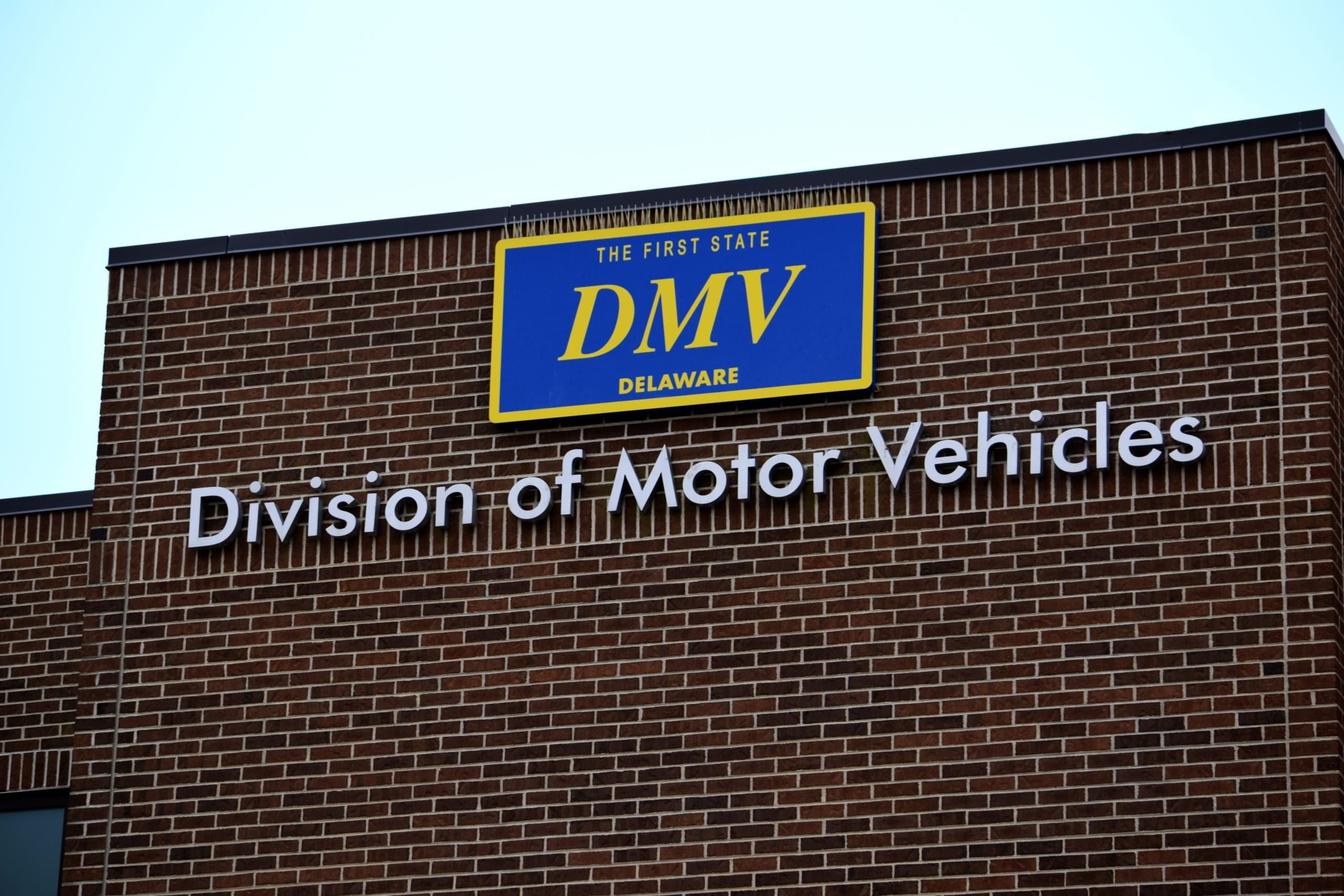
Department Of Motor Vehicles Office
 ar.inspiredpencil.com
 Dmv Waives Late Fees, Asks Customers To Use Online Services
 townsquaredelaware.com
 How License Plates Are Made [complete Guide]
kvep.com

0 komentar:
Posting Komentar